Sports Management Courses After 12th: Your Path to the Indian Sports Industry
For a long time, Indian parents viewed sports as a hobby. Something you did in the evening before coming home to study for a 'real' job. That era ended the moment the first ball was bowled in the 2008 IPL auction. Suddenly, sport wasn't just about playing; it was about business, data, broadcasting, and massive operations.
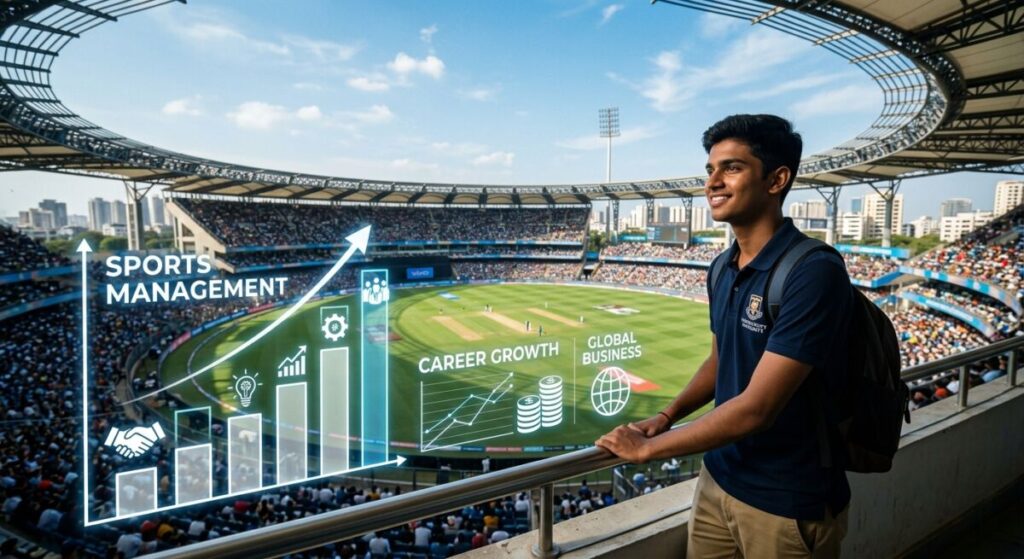
Today, the Indian sports industry is a ₹15,000+ crore giant growing at 15% annually. If you just finished your 12th pass exams and want to work in the dugout rather than a cubicle, you are in the right place. Most people think you need to be a pro athlete to work in sports. They are wrong. You need to understand how the business of sport works.
This guide covers everything from BBA degrees to diplomas. We will look at eligibility, salary expectations (₹ LPA), and why Pune has become the hub for this specialized education. Whether you are from the Science, Commerce, or Arts stream, the doors are open. The question is: are you ready to step through?
Choosing the Best Sports Management Courses After 12th
Here's the truth: not all courses are created equal. You need to decide if you want a long-term academic foundation or a fast-track entry into the workforce. At ISST, we've spent 17 years refining this choice for over 2,000 alumni.
Bachelor of Business Administration (BBA) in Sports Management
If you want a full-fledged degree that is UGC-recognized, the BBA in Sports Management is the gold standard. This is a three-year programme that treats sports like the multi-billion dollar business it is. You don't just learn about rules of the game. You learn about franchise finance, fan engagement, and digital marketing.
Why choose a BBA? Because it gives you the 'degree' status your parents want while giving you the industry skills you actually need. It is the perfect blend of traditional management and sports-specific expertise. Most of our students who aim for management roles in IPL teams or sports marketing agencies start here.
Diploma and Advanced Diploma Options
Sometimes, you don't want to wait three years. Maybe you already have a plan and just need the specific 'sports' layer on top of your 12th standard education. A Diploma in Sports Management is usually a one-year intensive path. It focuses heavily on the practical side—on-ground event management, equipment supply chains, and facility operations.
Specialized Certificate Courses for Quick Entry
Short on time? Certificate courses are like sprints. They are great if you want to specialize in a niche, like sports analytics or turf management. However, for a 12th pass student, we usually recommend a Diploma or BBA to build a stronger career base. Think of certificates as add-ons you get later to sharpen your profile.
Eligibility Criteria for Sports Management After HSC
The most common question we get in our Pune campus is: "I took Science in 12th, can I still do sports management?"
Educational Requirements: Commerce, Science, or Arts?
The short answer is: Yes. It doesn't matter if you finished your HSC in Science, Commerce, or Arts. The sports industry needs all kinds of brains. Commerce students find the transition to sports finance and sponsorship easy. Science students often excel in sports science and high-performance roles. Arts students usually thrive in sports media, PR, and branding.
At ISST, the minimum requirement is typically a 50% aggregate in your 12th board exams. That is it. We care more about your passion for the game and your willingness to learn the business side of it.
Entrance Exams and Interview Processes
While some general universities have huge CETs, specialized institutes like ISST focus on your profile. We look at your involvement in sports, your communication skills, and your clarity on why you want this career. Don't stress about a math-heavy entrance exam. Stress about whether you can explain the commercial success of the Pro Kabaddi League (PKL) during an interview.
What Do You Actually Study? The ISST Curriculum Breakdown
Let's look at the subjects. This isn't your typical "Principles of Accounting" class where you fall asleep. We use real Indian sports context to teach management.
Sports Marketing and Franchise Management
How does an IPL franchise make money if they don't win the trophy? You will study the revenue models of teams like Mumbai Indians or CSK. You'll look at ticket pricing, jersey sponsorships, and how to build a brand that fans will follow even when the team is losing. This is where the real business happens.
Event Operations: From PKL Auctions to Matchday Logistics
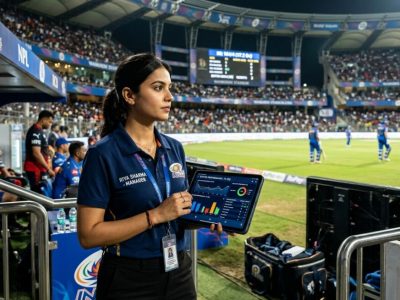
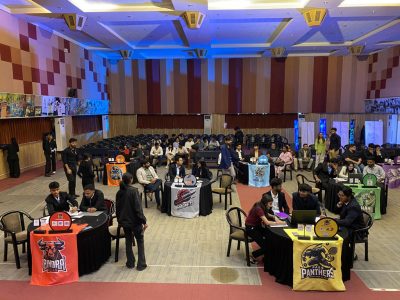
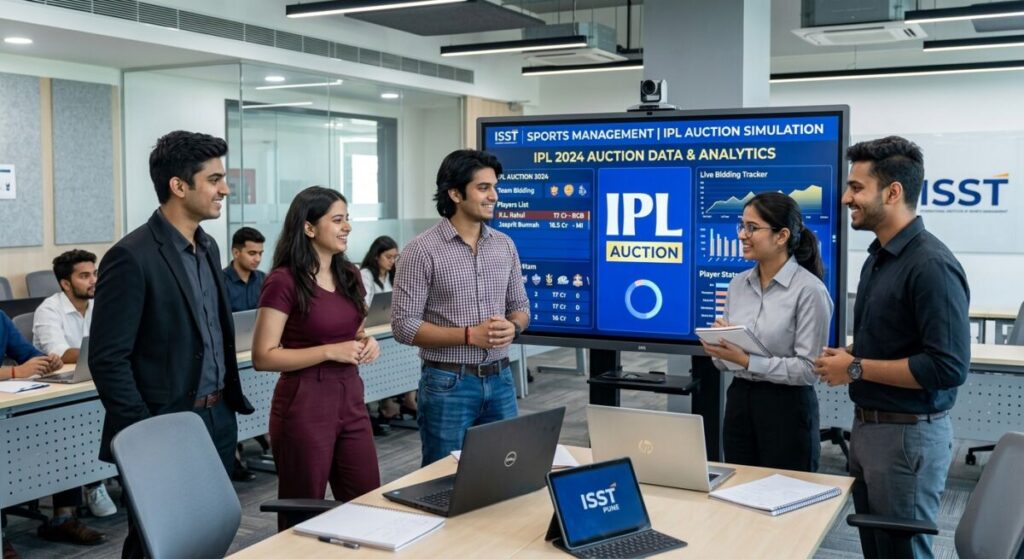
Have you ever wondered who manages the 500 people working behind the scenes during a match at the Wankhede? That is event operations. Our curriculum covers everything from athlete transport to bio-bubble management (if needed) and hospitality. We even simulate sports league auctions so students understand how to manage budgets under pressure.
Sports Law and Ethics in the Indian Context
Contracts, doping regulations, and player rights. As the industry grows, the need for sports lawyers and ethics officers is exploding. You will study the framework used by the BCCI and SAI to understand how the legal side of Indian sport functions.
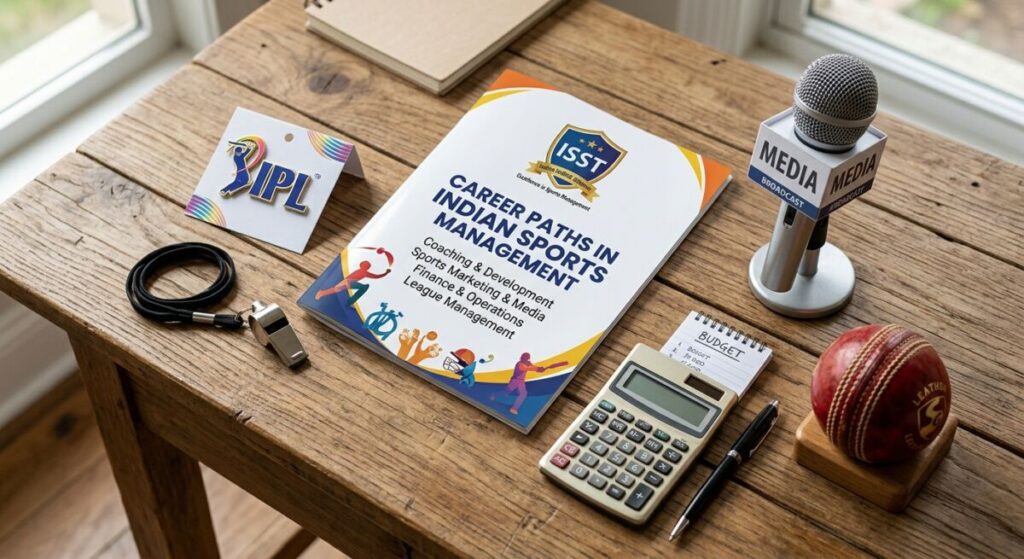
Salary and Career Scope: Life After Graduation
Let's talk numbers. Because at the end of the day, you and your parents need to know the ROI.
Entry-Level Salaries (₹3–5 LPA Expectations)
When you start fresh after your degree or diploma, expect a starting salary between ₹3–5 LPA. Is it the same as a software engineer at a FAANG company? Maybe not on day one. But the growth curve in sports is much steeper. By year three, with a couple of IPL seasons or ISL projects on your resume, your value in the market doubles.
Top Recruiters: IPL Teams, JSW Sports, and SAI
Where do our alumni go? They don't just sit in offices. They are on the ground.
• JSW Sports: Managing Olympic athletes and ISL teams.
• IPL Franchises: Working in operations, media, and auction strategy.
• Sports Authorities: Working with Khelo India and SAI-HPC centres.
• Star Sports & JioCinema: On the production and digital side of broadcasting.
Why Pune is the Ideal Destination for Sports Education
You could study anywhere, but Pune has a specific vibe. It is the education hub of India, yes, but it is also a sports city. With venues like the Balewadi Stadium and proximity to Mumbai (the headquarters of BCCI and most sports agencies), Pune offers the perfect ecosystem.
The ISST Advantage: 17 Years of Industry Excellence
We didn't start yesterday. ISST has been around since 2008. We were the first to see that the Indian sports industry needed professionals, not just fans. We won the CII Sports Business Award because we bridge the gap between a classroom and a stadium. When you study here, you aren't just a student; you are part of a network that stretches across every major sports league in India.
Frequently Asked Questions
Is sports management a good career in India after 12th?
Yes, with leagues like IPL, ISL, and PKL, the demand for trained managers is at an all-time high. It offers a stable career path for those who love sports but don't want to be players.
What is the average salary for sports management freshers in India?
Freshers usually start between ₹3–5 LPA, but this can grow rapidly to ₹10–15 LPA within a few years of industry experience.
Can I do a sports management course after 12th Commerce?
Absolutely, Commerce students are actually very well-suited for the marketing and finance modules of sports management.
Are there any entrance exams for sports management courses?
Most specialized institutes like ISST have their own screening process focusing on your passion for sports and communication rather than just CAT-style exams.
Does ISST provide campus placements in IPL or ISL teams?
We have a dedicated placement cell that connects students with franchises, sports marketing agencies, and government bodies like SAI.
Is math compulsory for sports management?
No, you only need basic logical reasoning. You won't be doing advanced calculus; you'll be managing budgets and looking at data trends.
Can I work abroad after a sports management degree in India?
Yes, the principles of sports management are global. Many of our students pursue masters abroad or work with international sports brands.
Is it better to do a BBA or a Diploma?
A BBA is better for a long-term career foundation, while a Diploma is ideal if you want a quicker entry into the workforce or have already completed another degree.
The Bottom Line
Choosing your career after the 12th standard is a massive decision. It is the biggest call you will make this decade. If you spend your weekends tracking player auctions and match stats, don't settle for a generic degree that keeps you behind a desk in an industry you don't care about.
The Indian sports ecosystem is waiting for its next generation of leaders. We've seen 2,000+ alumni make that jump since 2008. They are now the ones running the shows you watch on TV.
When you are ready to move from the stands to the office, book a counselling session with our experts. Let's map out your future in Indian sport. No pressure—just a conversation about where you want to be.