Wealth is a Skill. These Athletes Mastered It.
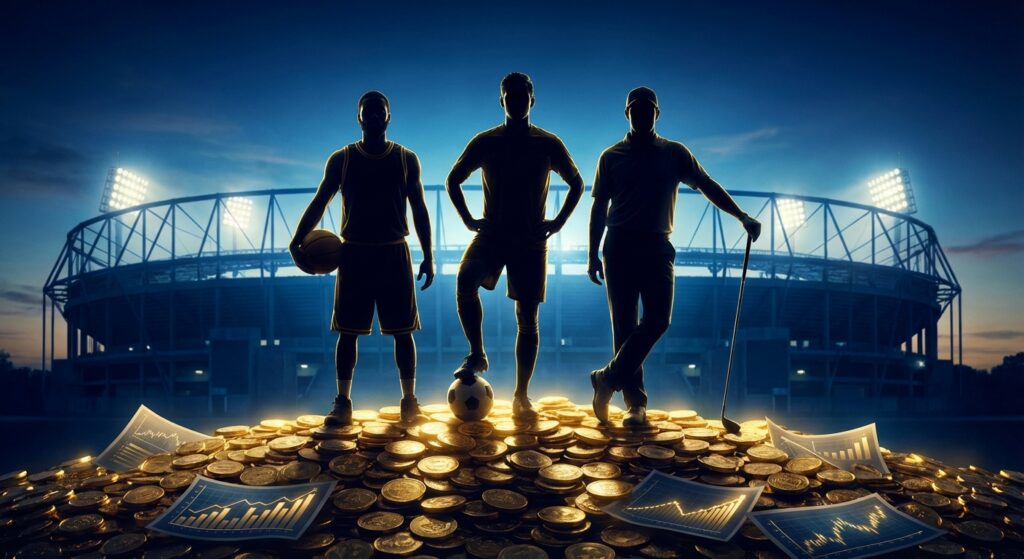
Stop looking at salaries. The paycheck is a distraction. The real game is played in equity, ownership, and intellectual property. The richest athletes in the world didn’t get there solely by scoring goals or hitting home runs. They got there by becoming businesses.

We see a pattern at the Institute of Sports Sciences, ISST. Students often ask about player contracts. But the wealthiest icons—Jordan, LeBron, Woods—don’t just sign contracts. They dictate economies. They understand that renting your time for money is a losing battle against inflation. Owning assets is the only escape.
This isn’t just a list. It’s a study in value creation. Here is how the top 1% of the 1% built their empires.
The Billion-Dollar Club: Who Sits at the Top?
Money has a hierarchy. At the bottom, you have wages. At the top, you have capital. The names here made the jump.
1. Michael Jordan: The Architect
Net Worth: Estimated $3.2 Billion+
Jordan is the standard. He didn’t just endorse Nike. He became Nike’s partner. The Jordan Brand generates billions annually, and MJ gets a royalty cut from every shoe sold. That is passive income at scale.
But his masterstroke was the Charlotte Hornets. He bought the NBA franchise when valuations were low and sold his majority stake in 2023 for approximately $3 billion. That is a return on investment most venture capitalists dream of.
2. Tiger Woods: The Brand Monopoly
Net Worth: Estimated $1.3 Billion
Tiger played golf. But Tiger was golf. For decades, he held the highest retention rate of audience attention in sports history. Sponsors paid premiums not just for exposure, but for association with excellence.
Even after turning down the massive LIV Golf offer (rumored to be high nine figures), his wealth remains untouched. He creates leagues (TGL). He designs courses. He owns the IP of his legacy.
3. LeBron James: The Active Investor
Net Worth: Estimated $1.2 Billion
LeBron didn’t wait to retire. He structured his wealth while still averaging 25 points a game. His portfolio includes stakes in Fenway Sports Group (owners of Liverpool FC and the Red Sox), Blaze Pizza, and SpringHill Company.
Most athletes spend. LeBron compounds. He proves that a Bachelor in Sports Management isn’t just for agents—it’s the mindset every modern athlete needs.
4. Magic Johnson: The Mogul
Net Worth: Estimated $1.2 Billion
Magic retired early. It should have been the end of his earnings. Instead, it was the beginning. He brought Starbucks to urban neighborhoods when others refused. He bought into the Dodgers, the Sparks, and LAFC. Magic understands micro-economics better than most CEOs.
The Modern Titans: 2024-2025 Earnings Leaders
The old guard owns assets. The current guard is breaking the salary banks. The inflation in sports contracts over the last five years is unprecedented. But who is capitalizing?
Cristiano Ronaldo
Status: Highest-Paid Active Athlete
Saudi Arabia didn’t hire a footballer. They acquired a media asset. Ronaldo’s move to Al Nassr came with a pay package exceeding $200 million annually. Add his massive endorsement portfolio, and he operates like a multinational corporation. His wealth is a result of global attention arbitrage.
Lionel Messi
Status: The Equity Play
Messi’s move to Inter Miami wasn’t about the base salary. It was about the backend. Revenue sharing with Apple TV+. Options for team ownership. He took a page from the Michael Jordan playbook. He opted for a piece of the pie rather than a fixed fee.
Shohei Ohtani
Status: The Deferred Masterpiece
700 million dollars. That’s the headline. But by deferring the vast majority of it, Ohtani gave the Dodgers cash flow flexibility to build a winning team around him. A winning team increases his brand value. It’s a long-term play for legacy, which eventually converts to currency.
The Mechanism: How They Actually Make Money
Why is the gap between the rich and the ultra-rich widening in sports? Information asymmetry. The top athletes have teams of advisors who understand the 5 key functions of sports management.
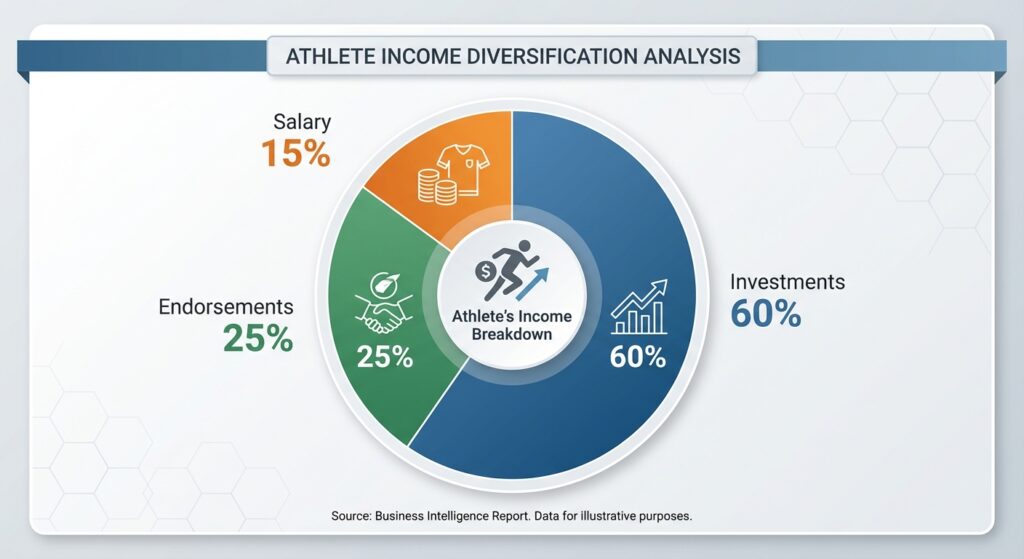
The Income Triad:
- On-Field (Salary/Winnings): Taxed heavily. Capped by salary caps. Linear.
- Off-Field (Endorsements): Scalable. Tied to reputation. Volatile.
- Ownership (Equity/Investments): The holy grail. Tax-efficient. Infinite upside.
Serena Williams (Serena Ventures) and Kevin Durant (35V) are now more venture capitalists than athletes. They use their capital to buy into tech startups early. One successful exit pays more than five seasons of play.
The Role of Sports Management
Behind every billionaire athlete is a strategist. A negotiator. A manager.
These fortunes don’t manage themselves. The industry needs professionals who understand finance, law, and marketing. We see this demand surging in our Sports Management Courses in Mumbai. The market is hungry for experts who can navigate name, image, and likeness (NIL) deals and complex contract structures.
You don’t need a 40-inch vertical to work in this industry. You need a sharp mind. Understanding sports management salaries in India reveals a thriving sector where you can build wealth by managing the talent.
The “Anti-Athlete” Strategy
Look at Ion Tiriac. A former tennis player with a decent record but no Grand Slams. Yet, he is a billionaire. How? Banking and insurance. He used his sports connections to build a business empire in post-communist Romania.
This proves a point we emphasize in our Career in Sports After Graduation guide: You don’t need to be the star to win the game. You just need to understand the rules.
Key Takeaways
- Equity > Salary: The richest athletes own teams or brands.
- Longevity Matters: Building wealth takes decades. Tom Brady played until 45 to maximize his earning window.
- Diversification is Safety: Don’t rely on one sport. Invest in tech, real estate, and media.
- Management is Key: The right agent or manager is worth their weight in gold.
Frequently Asked Questions
Who is the richest athlete of all time?
Michael Jordan holds this title firmly. His partnership with Nike and the sale of the Charlotte Hornets propelled his net worth over $3 billion.
Is Tiger Woods a billionaire?
Yes. Tiger Woods was the third athlete to reach billionaire status, following Jordan and LeBron James, largely due to endorsements and course design fees.
How does Lionel Messi make his money?
Beyond his Inter Miami salary, Messi earns through lifetime deals with Adidas and revenue-sharing agreements with Apple and the MLS.
Do female athletes make the billionaire list?
Not yet, but they are closing the gap. Serena Williams is the wealthiest self-made female athlete, with a massive venture capital portfolio.
Does Cristiano Ronaldo earn more than Messi?
Currently, yes. Ronaldo’s contract with Al Nassr is the highest annual salary in the history of sports, surpassing Messi’s base wage.
What is the richest sport in the world?
Basketball and Football (Soccer) produce the highest number of ultra-wealthy individuals due to global broadcasting rights and shoe deals.
Can I work in sports without being an athlete?
Absolutely. The industry relies on managers, data analysts, and marketers. Check out our guide on careers in sports without being an athlete.
Why do athletes go broke?
Poor liquidity and bad advice. Wealth is not about what you make; it is about what you keep. Education in sports management is the solution.
The Final Whistle
The scoreboard changes every day. New contracts. New deals. New markets. But the principles of wealth remain constant.
If you are fascinated by the business behind the athlete, you are looking at the wrong side of the screen. Step into the industry. The Institute of Sports Sciences, ISST provides the technical knowledge to navigate this multi-billion dollar ecosystem. Whether it’s a BSc in Sports Management or a Masters, the first step to managing wealth is understanding it.
Don’t just watch the history. Manage it.